Gymnema Sylvestre & Sugar Cravings: What The ‘Sugar Destroyer’ Actually Does
Gymnema Sylvestre earned its nickname because chewing its leaves can temporarily block the tongue's ability to taste sweetness — a genuinely unusual, well-documented effect that has made it a fixture in blood sugar supplements.
The craving-support angle and the blood-sugar angle are related but distinct, and it is worth understanding both separately.
The taste-blocking effect, explained
Gymnemic acids, the active compounds in Gymnema Sylvestre, bind to sweet-taste receptors on the tongue. For a window of roughly 30 to 60 minutes after direct contact, sugar can taste noticeably flat or even bitter. This effect is well documented and is actually the easiest part of the plant's action to demonstrate directly.
In a liquid supplement taken as a dose rather than chewed as raw leaf, this direct taste-blocking effect is much less pronounced — but it points to a real, active plant chemistry rather than an invented marketing story.
The separate, better-studied blood sugar angle
Beyond taste, Gymnema Sylvestre has been studied for a role in supporting healthy insulin production and glucose metabolism, summarized in research available through PubMed Central. Some research suggests it may support the pancreas's own insulin-producing cells, distinct from the taste effect entirely.
Why 'sugar destroyer' oversells it
The nickname is memorable but can overstate what a modest daily dose in a supplement actually does. It is not a switch that eliminates cravings outright, and it does not replace the physiological and psychological factors that drive sugar cravings in the first place, including sleep, stress and overall diet.
How this fits into a liquid formula
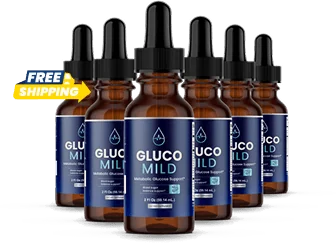
In GlucoMild, Gymnema Sylvestre is one of eight named ingredients rather than the sole active compound, working alongside Chromium, Banaba Leaf and others. This combination approach reflects how the ingredient is typically used in practice — as one supporting piece of a broader formula rather than a stand-alone solution.